
Propel provides innovative insurance solutions to thousands of companies across the country. We make it our business to know your world inside and out.
Catastrophic Storms, Claims & Risk Management, Commercial, Disaster Preparedness, Insights, Risk Management, Senior Care
Are You Risk Ready? Disaster Preparedness Considerations for Senior Care Providers
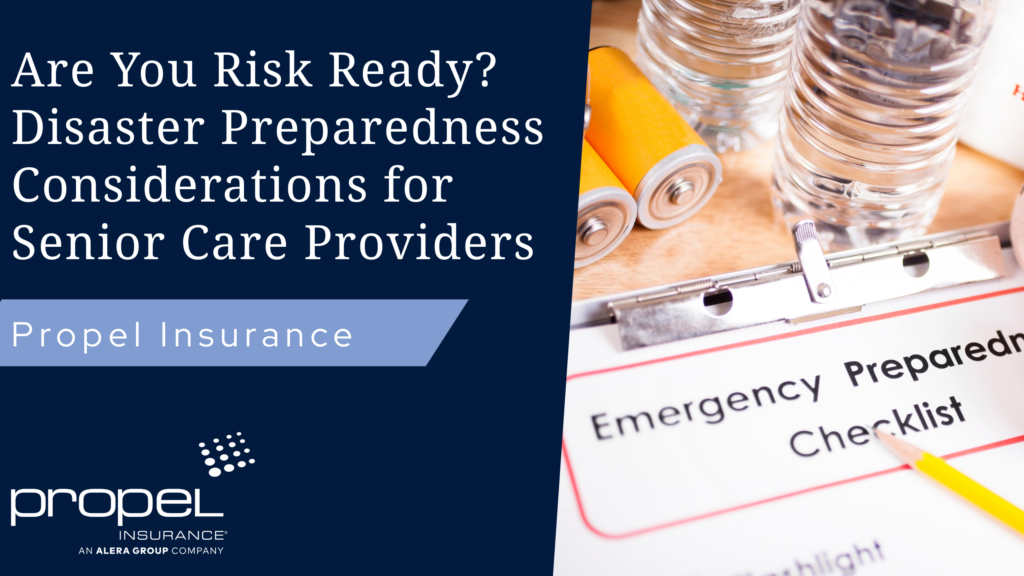
Weather events and natural disasters can develop quickly, making preparedness critical for senior care providers. Having a well-developed disaster recovery and business continuity plan can help organizations protect residents, support staff, and reduce business interruption when emergencies occur.
Below are several key areas senior care organizations should evaluate as part of their preparedness efforts:
Review and Evaluate Your Emergency Response Plan
Disaster preparedness plans should be living documents that evolve alongside operational changes, staffing updates, and resident needs. Regular reviews can help identify gaps and ensure procedures remain practical and effective.
Consider the following questions:
- Has your emergency and recovery plan been reviewed recently for effectiveness?
- Are roles and responsibilities clearly defined for leadership and staff?
- Is your communication plan current, including emergency contact information and management team updates?
- Have disaster drills been conducted recently, including shelter in place and evacuation scenarios?
- Is there a process in place to evaluate drill performance and identify opportunities for improvement?
Routine testing and evaluation can help teams respond more confidently and efficiently during an actual event.
Assess Resident Needs and Evacuation Readiness
Resident acuity levels can change over time, making routine assessments an important part of emergency planning. Understanding the level of assistance residents may require during an evacuation can help organizations better prepare staff, transportation, and equipment resources.
Providers may want to evaluate:
- Current resident acuity levels across all communities
- Evacuation equipment and transportation capabilities
- Shelter in place procedures for higher acuity residents
- Staff training and readiness during emergency response situations
Aligning evacuation methods and resources with resident needs can help support safer and more efficient emergency response efforts.
Evaluate Emergency Supplies and Vendor Continuity
Disasters can disrupt supply chains, utilities, and vendor operations for extended periods of time. Organizations should routinely assess whether emergency supplies and operational resources are sufficient to support continued care during interruptions.
Areas to review may include:
- Emergency food and water supplies for up to three days or longer
- Backup vendor and supply chain contingency plans
- Access to emergency transportation resources
- Temporary resident housing agreements and partnerships
- Shared service contracts and mutual aid agreements
Regularly reviewing vendor relationships and emergency contracts can help reduce operational disruption during emergencies.
Include Risk Partners in Preparedness Planning
Disaster preparedness is often most effective when organizations collaborate with external partners. Including brokers, risk advisors, transportation vendors, and other service providers in preparedness discussions can help strengthen coordination and response planning.
Consider scheduling regular disaster preparedness roundtables or tabletop exercises with key partners to review:
- Emergency response responsibilities
- Communication protocols
- Resource availability
- Contract and coverage considerations
- Lessons learned from prior events or drills
Strong collaboration can help organizations identify potential vulnerabilities before an emergency occurs.
Building a More Resilient Organization
Preparedness planning is an ongoing process. By routinely reviewing response plans, evaluating operational readiness, and conducting drills, senior care organizations can help improve resident safety, support staff response efforts, and reduce business interruption during severe weather or other emergency events.
Taking proactive steps today can help organizations respond more effectively when unexpected events occur.
Need Support Reviewing Your Preparedness Plan?
Disaster preparedness planning can be complex, especially as operational risks, resident needs, and weather patterns continue to evolve. The team at Propel Senior Care works with organizations to help identify potential exposures, strengthen risk management strategies, and support business continuity planning efforts.
Additional preparedness resources:
- FEMA Preparedness Resources – National emergency preparedness planning tools, training resources, and disaster readiness guidance.
- Ready.gov Emergency Preparedness Resources – Disaster planning resources for organizations, employees, and families, including evacuation and communication planning.
- ASPR TRACIE Long-Term Care Emergency Preparedness Resources – Emergency preparedness and continuity planning resources specifically for long-term care and senior care providers.
To learn more about how Propel can support your organization’s preparedness and risk management strategy, reach out to the team at Propel Senior Care.
