Propel provides innovative insurance solutions to thousands of companies across the country. We make it our business to know your world inside and out.
Claims & Risk Management, Commercial, Construction, Insights
Evolving Skylines: Tariffs, Labor, and Risk

As the Pacific Northwest construction market continues to evolve, developers and contractors are facing a new wave of financial pressure; this time from rising tariffs and further tightening of the labor market.
These changing dynamics are reshaping project budgets, timelines, and risk profiles, making it more important than ever to align insurance programs with today’s economic and political realities.
Tariffs Are Driving Up Material Costs
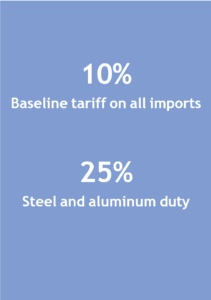
In 2025, the U.S. has implemented a 10% baseline tariff on all imports, with steel and aluminum facing an additional 25% duty. Investigations into copper and lumber imports could lead to further hikes by year-end.
For developers and contractors, this means:
- Escalating bid prices and tighter margins
- Greater exposure to cost overruns if escalation clauses and risk-sharing provisions aren’t built into contracts
- Increased volatility in project planning, especially for long-lead materials
Labor Costs Are Climbing Too
The Pacific Northwest’s labor market remains tight. Skilled trades are in short supply, and wage inflation is accelerating. According to recent regional data, labor costs are rising faster than material costs in some sectors, particularly in residential and infrastructure projects.
This dual pressure, tariffs and labor, means contractors must be more strategic than ever in managing their total cost of risk.
Insurance Implications: What to Watch
1. Builders Risk & Property Coverage
With material costs rising, replacement cost valuations must align
with the values insured under the policy and should be revisted periodically. Underinsurance could leave owners and contractors exposed if a loss occurs mid-project.
2. Contractual Risk Transfer
As general contractors push more risk downstream, subcontractors must ensure their liability policies and indemnity agreements are aligned. Wrap-up programs (OCIP/CCIP) should be reviewed for adequacy and scope.
3. Workers’ Compensation
Labor shortages often lead to less experienced hires, increasing the likelihood of job-site injuries. This can drive up mod rates and premiums unless paired with proactive safety programs and claims management.
4. Professional Liability
Design-build and EPC contracts are becoming more common, especially in public-private partnerships. These models increase exposure to design errors and omissions, requiring tailored professional liability coverage.
Strategic Takeaway
Tariffs and labor costs aren’t just line items; they’re risk multipliers. Those who fail to adjust their insurance programs according to these changing dynamics may find themselves under protected and exposed.
Propel’s real estate and construction practice groups are helping clients rethink their total cost of risk, from pre-construction planning to post-completion claims. Whether it’s updating valuations, negotiating project risk coverage, or modeling risk scenarios, we are here to help you build smarter.
If you are interested in learning more, please reach out to your trusted advisor at Propel.
To view the full Evolving Skylines Newsletter click HERE.

Melody Olson
Melody has spent over 20 years specializing in real estate, construction, and project risk insurance. Melody is known by clients and colleagues for having strong technical expertise, creative problem-solving skills, and relentless client advocacy. More about Melody...